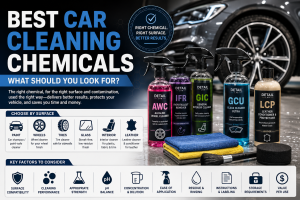

A shiny, well-maintained car does more than turn heads. It protects your investment, keeps your paint healthy, and makes every drive more enjoyable. But there’s a big difference between running your car through a quick wash and actually detailing it.
That’s where a car detailing kit comes in. Unlike a regular car wash, which mostly removes surface dirt, a detailing kit gives you the tools and products to clean, protect, and restore your vehicle from the paint to the interior. In this guide, you’ll learn exactly what a car detailing kit is, what’s inside one, how to choose the right kit for your vehicle, and how to use it like a pro—even if you’ve never detailed a car before.
What Is a Car Detailing Kit?
A car detailing kit is a curated collection of cleaning tools and specialty products designed to wash, decontaminate, protect, and restore every surface of your vehicle—paint, wheels, glass, and interior. Instead of buying dish soap and a random sponge, you get purpose-built items like microfiber towels, wash mitts, wheel brushes, and protective sprays, all working together for a deeper clean.
The purpose of a detailing kit is simple: give car owners a complete, beginner-friendly system for maintaining their vehicle’s appearance and value without needing professional training. Every car owner benefits from having one on hand, whether you’re washing weekly or prepping for a big road trip.
Detailing kits are especially useful for people who want consistent, professional-quality results at home. DIY enthusiasts, new car owners, and anyone who wants to protect their paint long-term will get real value from investing in one.
If you’re looking to build the perfect car cleaning setup, our Car Detailing Kit Guide covers everything you need to know. From choosing the right wash mitts and microfiber towels to selecting polishers, waxes, and interior cleaning tools, this guide helps beginners and professionals create a complete detailing kit for achieving a showroom-quality finish.
Car Detailing vs Car Washing: What’s the Difference?
Many people use “washing” and “detailing” interchangeably, but they’re not the same thing. A car wash focuses on removing visible dirt from the surface. Detailing goes several steps further, addressing contamination you can’t see and adding a layer of protection that lasts.
Washing is quick maintenance. Detailing is a deeper, more thorough process that includes decontamination, correction, and protection—covering both the exterior and the interior of the vehicle.
| Aspect | Car Washing | Car Detailing |
| Goal | Remove surface dirt | Clean, protect, and restore |
| Depth | Surface-level only | Deep clean, including bonded contaminants |
| Tools used | Soap, sponge, hose | Wash mitt, clay bar, iron remover, microfiber towels |
| Paint protection | None or minimal | Wax, sealant, or ceramic spray |
| Interior care | Rarely included | Dashboard, leather, and glass cleaning |
| Frequency | Weekly or as needed | Every few weeks to monthly |
| Long-term benefit | Temporary shine | Preserves paint and resale value |
If you only wash your car, dirt, road grime, and contaminants can build up over time and slowly damage the clear coat. Detailing addresses that buildup and adds a protective barrier, which is why an auto detailing kit is worth the investment for anyone serious about car care.
What’s Included in a Car Detailing Kit?
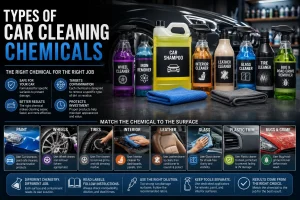
A complete car detailing kit typically includes the following tools and products. Here’s what each one does and why it matters.
Car Shampoo
Car shampoo is a pH-balanced soap formulated specifically for automotive paint. Unlike dish soap, it won’t strip existing wax or protective coatings while it lifts dirt and grime.
Use it during every wash, mixed with water in your wash bucket. Beginners should look for a shampoo labeled “pH-neutral” to avoid damaging paint sealants or ceramic coatings.
Microfiber Towels
Microfiber towels are soft, lint-free cloths designed to lift dirt without scratching your paint. They’re one of the most essential detailing supplies because ordinary towels can leave fine scratches called swirl marks.
Keep several on hand one for drying, one for glass, one for wheels, and one for interior surfaces. Never use the same towel on different areas, since cross-contamination can transfer grit and cause damage.
Wash Mitt
A wash mitt is a soft, plush glove (usually made of microfiber or lambswool) used to apply soap and lift dirt off the paint. It holds more suds than a sponge and traps dirt particles away from the surface.
Dip the mitt in soapy water, wash one panel at a time, and rinse it frequently in a separate bucket. This simple technique prevents dirt from being reapplied to the paint.
Buckets and Grit Guard
The two-bucket method is a foundational detailing technique. One bucket holds soapy water for washing, while the second holds clean water for rinsing your mitt before you dip it back into the soap.
A grit guard, a plastic insert at the bottom of each bucket knocks dirt off the mitt and traps it below, so you’re not just swirling grime back onto your paint. This one technique dramatically reduces the risk of scratches during a bucket wash.
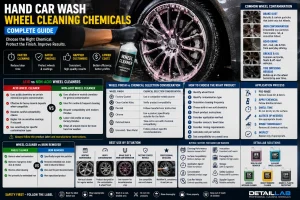
Wheel Brush
Wheels collect more grime than any other part of the car, including brake dust, road tar, and dirt. A wheel brush is designed with soft-but-durable bristles that reach into spokes, lug nuts, and barrels without scratching the finish.
Always clean wheels first, before washing the paint, so you’re not transferring wheel grime to your wash mitt. Use a dedicated brush for wheels only never the same one used on paint.
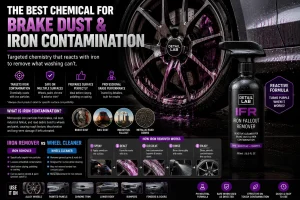
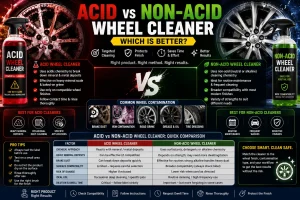
Wheel Cleaner
Wheel cleaner is a specialty formula designed to break down baked-on brake dust and road grime that plain soap can’t touch. Many formulas change color as they react with iron particles, which is a helpful visual cue for beginners.
Spray it on cool wheels (never hot), let it dwell for the time listed on the label, then agitate with your wheel brush and rinse thoroughly.
Glass Cleaner
A dedicated automotive glass cleaner removes road film, bugs, and smudges without leaving the streaky residue common with household window cleaners. Ammonia-free formulas are safer for tinted windows.
Spray onto a microfiber towel rather than directly onto the glass to avoid overspray on trim and dashboard surfaces, then wipe in straight lines for a streak-free finish.
Interior Cleaner
Interior cleaner is a multi-purpose spray for dashboards, door panels, center consoles, and plastic trim. It lifts dust, grime, and fingerprints while leaving a clean, non-greasy finish.
Spray a small amount onto a microfiber towel and wipe down surfaces regularly. Avoid spraying directly onto vents or electronic buttons.
Leather Cleaner & Conditioner
If your car has leather seats, this two-step product cleans away oils and dirt, then conditions the material to prevent cracking and fading. Leather that isn’t conditioned regularly can dry out and lose its texture over time.
Clean first, then apply conditioner every one to two months depending on your climate. Hot, dry environments require more frequent conditioning.
Tire Dressing
Tire dressing restores the deep black look of tires and adds a layer of UV protection that helps prevent cracking. It’s one of the easiest ways to make a car look freshly detailed.
Apply with a foam applicator after tires are clean and dry, and choose a satin finish if you want a natural look rather than an overly glossy one.
Clay Bar
A clay bar is a specialty compound used to remove embedded contaminants like tree sap, industrial fallout, and overspray that washing alone can’t remove. Running your hand over freshly washed paint and feeling roughness is a sign you need to clay it.
Use it with a clay lubricant, gliding it gently over the paint in straight lines. This step is typically done every few months, not with every wash.
Iron Remover
Iron remover is a chemical decontaminant that dissolves embedded iron particles, mainly from brake dust, that stick to your paint and wheels. It’s often used before claying to make the process easier and more effective.
Spray it on cool paint or wheels, watch for the color-changing reaction, and rinse thoroughly. This is considered a core step in paint decontamination.
Quick Detailer
A quick detailer is a spray-on product used to maintain shine and remove light dust between full washes. It’s fast, convenient, and doesn’t require water.
Spray a light mist, then wipe with a clean microfiber towel. Many detailers reach for this product weekly to keep their car looking fresh without a full wash.
Spray Wax or Ceramic Spray
This final step adds a protective, glossy layer over your paint. Spray wax offers a quick shine and modest protection, while a ceramic spray provides stronger, longer-lasting paint protection with excellent water beading.
Apply after washing and drying, working in small sections and buffing with a clean microfiber towel. This step is what separates a basic wash from true paint protection.
Benefits of Using a Car Detailing Kit
Investing in a quality auto detailing kit pays off in several ways:
- Better paint protection – Regular decontamination and sealant application shield your clear coat from UV rays, road salt, and contaminants.
- Enhanced vehicle appearance – A properly detailed car looks newer and better maintained.
- Increased resale value – Buyers and dealers notice a well-kept exterior and interior, which can translate into a stronger resale offer.
- Cost savings – DIY detailing is far cheaper over time than paying for professional details every month.
- DIY convenience – You can detail your car on your own schedule, without waiting for an appointment.
- Professional-quality results – The right tools make it possible to achieve a showroom finish at home.
- Longer-lasting finish – Consistent care slows down paint oxidation, fading, and interior wear.
Who Should Buy a Car Detailing Kit?
A car detailing kit isn’t just for hardcore car enthusiasts. It’s useful for nearly every type of vehicle owner:
- Beginners – A complete kit removes the guesswork of figuring out which products to buy separately.
- Car enthusiasts – Enthusiasts appreciate having the right tools to maintain a show-quality finish.
- Families – Family vehicles deal with spills, crumbs, and daily wear, making interior cleaners especially useful.
- Daily commuters – Commuter cars face constant road grime, brake dust, and UV exposure that benefit from regular protection.
- Luxury vehicle owners – High-end paint and leather interiors require gentle, specialized products to maintain their value.
- Commercial vehicle owners – Fleet and work vehicles benefit from consistent upkeep to maintain a professional appearance.
How to Choose the Right Car Detailing Kit
Not every kit fits every vehicle or every owner. Keep these factors in mind before you buy:
Vehicle type. Larger vehicles like SUVs and trucks need more product volume, while smaller cars can get by with a compact kit.
Budget. Entry-level kits cover the basics, while premium kits include specialty items like clay bars, iron removers, and ceramic sprays.
Skill level. Beginners should start with a simpler kit and clear instructions, then expand into paint correction products as they gain experience.
Interior materials. Leather interiors need leather-specific cleaner and conditioner, while cloth interiors may need a fabric-safe cleaner instead.
Paint condition. Older or neglected paint may benefit from a kit that includes a clay bar and iron remover for deeper decontamination.
Climate. Hot, sunny climates call for stronger UV protection and tire dressing, while cold, salty climates call for more frequent wheel and undercarriage cleaning.
Number of included products. A wider range of products means fewer separate purchases, but make sure quality isn’t sacrificed for quantity.
Quality of tools. Cheap microfiber towels and mitts can actually scratch paint, so check reviews and material quality before buying.
Basic Steps to Use a Car Detailing Kit
Follow this beginner-friendly process for a full detailing session:
- Pre-rinse the entire vehicle to remove loose dirt and debris before touching it with a mitt.
- Clean the wheels first, using your wheel cleaner and wheel brush to remove brake dust and grime.
- Apply a foam wash or pre-soak to loosen dirt on the paint before hand washing.
- Hand wash the vehicle panel by panel using the two-bucket method and a clean wash mitt.
- Dry the car with a clean, absorbent microfiber towel to prevent water spots.
- Clean the interior, wiping down the dashboard, console, doors, and seats.
- Clean the glass inside and out with a streak-free glass cleaner.
- Apply tire dressing for a finished, uniform look.
- Apply paint protection, such as spray wax or ceramic spray, to seal in the shine.
- Do a final inspection, checking for missed spots, streaks, or leftover residue in door jambs and trim.
Common Mistakes Beginners Should Avoid
Even with the right kit, technique matters. Watch out for these common errors:
- Using household detergents. Dish soap strips wax and can dry out rubber and trim over time.
- Washing in direct sunlight. Heat causes soap and water to dry too fast, leaving spots and streaks.
- Using dirty towels. Trapped grit in a dirty towel can scratch your paint on the next use.
- Skipping drying. Air-drying leads to water spots that can etch into the clear coat.
- Using one towel for every surface. Cross-contaminating towels between wheels, glass, and paint spreads grime and risks scratches.
- Applying too much product. More isn’t better—excess wax, cleaner, or dressing often just creates a hazy residue that’s harder to remove.
Frequently Asked Questions
What is a car detailing kit used for?
A car detailing kit is used to wash, decontaminate, protect, and restore a vehicle’s exterior and interior surfaces, going beyond what a basic car wash can achieve.
Is a detailing kit worth it for beginners?
Yes. A detailing kit gives beginners everything they need in one package, removing the guesswork of buying individual products and tools separately.
How often should I detail my car?
Most owners detail their car every four to six weeks, with quick maintenance steps like a quick detailer spray used weekly in between.
What’s the difference between an auto detailing kit and a car wash kit?
A car wash kit typically includes just soap and a mitt for basic cleaning, while an auto detailing kit includes additional tools like clay bars, wheel cleaners, and protective sprays for deeper care.
Can I use dish soap instead of car shampoo?
It’s not recommended. Dish soap is too harsh and can strip wax, sealant, or ceramic coating from your paint, leaving it unprotected.
Do I need a clay bar if I wash my car regularly?
Yes, occasionally. Regular washing removes surface dirt, but a clay bar removes embedded contaminants that soap and water alone can’t lift.
What should a beginner’s first detailing kit include?
A good starter kit should include car shampoo, a wash mitt, two buckets with grit guards, microfiber towels, a wheel brush, wheel cleaner, and a spray wax or quick detailer.
Is ceramic spray better than regular wax?
Ceramic spray generally offers stronger, longer-lasting protection and better water beading than traditional wax, though it usually costs more.
How long does a full detailing session take?
For a first-timer, a full interior and exterior detail can take two to four hours, though the process speeds up significantly with practice.
Can I detail my car in a garage?
Yes, a shaded garage is actually ideal since it avoids direct sunlight, which can cause soap and water to dry too quickly and leave spots.
Conclusion
A car detailing kit gives you everything you need to move beyond a basic car wash and start truly protecting your vehicle paint, wheels, glass, and interior included. Understanding what each tool and product does, from a simple wash mitt to a ceramic spray, makes the entire process approachable, even if you’ve never detailed a car before.
Choosing the right kit comes down to your vehicle type, budget, skill level, and climate, so take the time to pick one that actually fits your needs. Once you build a regular detailing routine, you’ll notice the difference in your car’s appearance, protection, and long-term value. Explore DetailLab’s range of detailing supplies to find a kit that matches your car care goals and start your next detail with confidence.