
Walk into any auto parts store and you’ll see dozens of boxes promising showroom results. Some deliver. Many don’t. Picking the best car detailing kit isn’t about grabbing the flashiest packaging it’s about matching the right tools and chemicals to your car, your skill level, and your goals.
The right kit does more than clean. It protects your paint, extends the life of your interior, and saves you money by cutting out trips to the detail shop. The wrong kit wastes cash on weak chemicals and towels that scratch more than they shine.
In this guide, you’ll learn what separates a great detailing kit from a mediocre one, which products actually matter, and how to choose a kit that fits your vehicle and experience level whether you’re detailing your first car or running a professional detailing business.
What Makes the Best Car Detailing Kit?
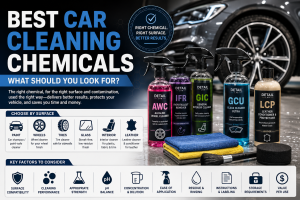
Not all detailing kits are created equal. A few core qualities separate the best car detailing kit from a bargain-bin bundle that underdelivers.
Complete cleaning solution. A strong kit covers the full process — washing, drying, interior care, and finishing — instead of leaving gaps you have to fill with separate purchases.
High-quality chemicals. Shampoos, cleaners, and protectants should be pH-balanced and safe for modern paint, clear coats, and interior materials. Weak or overly harsh formulas can strip wax, dull trim, or leave streaks.
Durable accessories. Microfiber towels, mitts, and brushes should hold up to repeated washing without shedding fibers or losing their softness.
Safe formulas. Good kits avoid harsh solvents that damage rubber, vinyl, or paint over time. Safety matters just as much as performance.
Ease of use. Clear instructions and straightforward application make a kit useful for beginners while still giving experienced users room to refine their technique.
Value for money. The best car detailing kit isn’t necessarily the cheapest or the most expensive — it’s the one that delivers professional-level results relative to its price.
Essential Products Every Best Detailing Kit Should Include
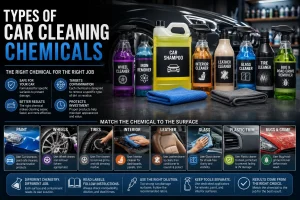
A genuinely complete car detailing kit covers washing, protecting, and finishing. Here’s what to look for in each category.
Car Shampoo
Purpose: Car shampoo lifts dirt, road grime, and contaminants from the paint surface without stripping existing wax or sealant.
Benefits: A quality shampoo produces thick suds that help lubricate the surface, reducing the risk of swirl marks during washing.
When to use: Every wash, ideally every one to two weeks depending on driving conditions.
Buying tips: Choose a pH-neutral formula labeled safe for ceramic coatings or waxed paint if you have protection already applied.
Microfiber Towels
Purpose: Microfiber towels dry, buff, and wipe down surfaces without leaving lint or scratches.
Benefits: Their soft fibers trap dirt and dust instead of dragging it across the paint, which reduces the chance of fine scratches.
When to use: During drying, waxing, glass cleaning, and interior wipe-downs.
Buying tips: Look for a high GSM (grams per square meter) rating and edgeless designs to avoid rough stitching near sensitive surfaces.
Wash Mitt
Purpose: A wash mitt applies soapy water to the paint while lifting away grime.
Benefits: Lambswool or microfiber mitts hold more suds and dirt than sponges, keeping contaminants away from the paint surface.
When to use: During the wash stage, paired with the two-bucket method.
Buying tips: Avoid cheap sponges; they trap grit against the paint and can cause scratching.
Buckets & Grit Guard
Purpose: Two buckets — one for clean soapy water, one for rinsing your mitt — prevent dirt from being reapplied to the paint.
Benefits: A grit guard insert at the bottom of the rinse bucket separates heavy dirt from your mitt, keeping it cleaner between passes.
When to use: Every wash session.
Buying tips: Choose buckets with a snug-fitting grit guard rather than a loose or oversized one.
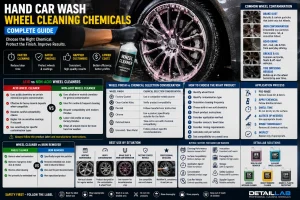
Wheel Cleaner
Purpose: Wheel cleaner breaks down brake dust, road grime, and baked-on residue on wheels and calipers.
Benefits: Dedicated wheel cleaners are formulated stronger than car shampoo since wheels attract tougher contaminants.
When to use: Every wash, before you clean the rest of the car, so overspray doesn’t dirty freshly washed paint.
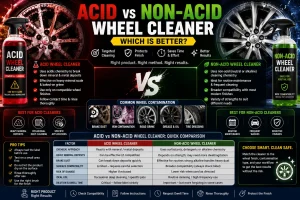
Buying tips: Check whether the formula is safe for your wheel finish — some acidic cleaners can damage certain coatings.
Wheel Brush
Purpose: A wheel brush reaches into spokes, barrels, and lug nut areas that towels and mitts can’t access.
Benefits: Detailing brushes with soft-but-stiff bristles remove caked-on grime without scratching wheel finishes.
When to use: Alongside wheel cleaner during every wash.
Buying tips: Look for brushes with a comfortable grip and bristles rated safe for painted or clear-coated wheels.
Glass Cleaner
Purpose: Glass cleaner removes smudges, film, and road grime from windows and mirrors.
Benefits: Streak-free formulas improve visibility and give windows a clear, glossy finish.
When to use: After washing and drying the exterior, and periodically for interior glass.
Buying tips: Choose ammonia-free formulas if your car has tinted windows, since ammonia can damage window film.
Interior Cleaner
Purpose: Interior cleaner tackles dust, stains, and grime on plastic, fabric, and vinyl surfaces.
Benefits: A good all-purpose interior cleaner restores a fresh look to dashboards, door panels, and center consoles.
When to use: During routine interior detailing sessions.
Buying tips: Look for a versatile formula that works across multiple surface types to avoid buying several specialty products.
Leather Cleaner
Purpose: Leather cleaner removes body oils, dirt, and stains from leather seats and trim without drying out the material.
Benefits: Regular cleaning paired with conditioning helps prevent cracking and fading over time.
When to use: Every one to two months, or more often with heavy use.
Buying tips: Pair cleaner with a matching conditioner, and avoid products with harsh solvents that strip natural oils.
Tire Dressing
Purpose: Tire dressing restores a deep black finish to tires and protects rubber from UV damage.
Benefits: Beyond looks, quality dressings slow down cracking and browning caused by sun exposure.
When to use: After washing tires, roughly every one to two weeks.
Buying tips: Choose between matte and glossy finishes based on preference, and avoid overly greasy formulas that sling onto paint.
Clay Bar
Purpose: A clay bar pulls embedded contaminants — tree sap, overspray, tar — out of the paint that washing alone can’t remove.
Benefits: Clayed paint feels glass-smooth and allows wax or sealant to bond more effectively.
When to use: Every three to six months, or when paint feels rough after washing.
Buying tips: Use with a dedicated clay lubricant, and replace the clay if it’s dropped or becomes too dirty.
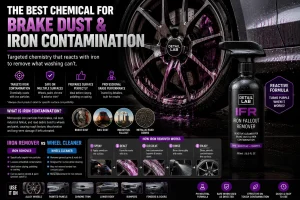
Iron Remover
Purpose: Iron remover dissolves embedded brake dust and metal particles on paint and wheels.
Benefits: It’s often gentler than clay for removing metallic contamination and gives a visual color-change cue as it works.
When to use: Before claying, every few months depending on driving conditions.
Buying tips: Look for a formula that’s safe on wheels, paint, and glass for versatile use.
Quick Detailer
Purpose: Quick detailer sprays add shine and light protection between full washes.
Benefits: They’re fast, convenient, and great for removing light dust or fingerprints without a full wash.
When to use: Weekly, or whenever the car needs a quick touch-up.
Buying tips: Choose a formula with some lubricity to prevent dragging dust across the paint during wipe-down.
Spray Wax
Purpose: Spray wax adds a protective, glossy layer over existing wax or sealant.
Benefits: It’s an easy way to boost shine and water beading between full waxing sessions.
When to use: Every two to four weeks.
Buying tips: Confirm compatibility with any ceramic coating already on the vehicle before applying.
Ceramic Coating Spray
Purpose: Ceramic coating spray adds a durable, hydrophobic layer that protects paint from UV rays, oxidation, and light scratches.
Benefits: Compared to traditional wax, ceramic sprays generally last longer and provide stronger resistance to water spots and chemical stains.
When to use: After a full paint decontamination, then reapplied every few months depending on the product.
Buying tips: Read curing time and maintenance requirements carefully — proper prep and reapplication schedule affect how well the coating performs.
How to Choose the Best Car Detailing Kit
The best car detailing kit for your neighbor isn’t necessarily the best one for you. Consider these factors before buying.
Vehicle type. A compact daily driver needs less product volume than a full-size SUV or truck.
Budget. Set a realistic range — a complete beginner kit costs less than a professional-grade kit with paint correction tools.
Experience level. Beginners benefit from simple, forgiving formulas, while experienced users may want kits built for paint correction and coating application.
Interior materials. Leather, cloth, and vinyl each need different cleaners, so check what your kit actually supports.
Paint condition. Older or lightly damaged paint may need a kit with clay bar and correction products, not just basic wash supplies.
Climate. Hot, sunny climates call for stronger UV protection, while cold or salty regions call for tools that combat road grime and salt residue.
Frequency of detailing. Weekly detailers need larger product volumes than someone detailing a few times a year.
Chemical quality. Read ingredient lists and reviews rather than relying on packaging claims alone.
Number of included tools. Compare what’s actually in the box — some “kits” include only a handful of items despite a large price tag.
Brand reputation. Established, review-backed brands tend to offer more consistent formulas than unknown or generic sellers.
Buyer’s checklist:
- Does the kit include both exterior and interior products?
- Are the chemicals pH-balanced and safe for your paint or interior materials?
- Do the towels and mitts feel soft and well-stitched?
- Does the kit match your experience level?
- Is the price reasonable for the number and quality of items included?
- Does the brand have credible reviews or a track record?
Best Car Detailing Kit for Different Users
Beginners
Beginners do best with a simple, forgiving kit: shampoo, a wash mitt, microfiber towels, and a basic interior cleaner. Skip advanced correction tools until you’re comfortable with the basics.
DIY Car Owners
DIY owners who wash and protect their own cars regularly benefit from a mid-range kit that adds wheel cleaner, glass cleaner, clay bar, and a spray wax or sealant to the basics.
Professional Detailers
Professional detailers need a professional car detailing kit with concentrated chemicals, paint correction compounds, foam cannon compatibility, and ceramic coating options built for repeated, high-volume use.
Luxury Vehicles
Luxury vehicles often have delicate paint, premium leather, and sensitive trim, so they call for gentler, higher-grade chemicals and ultra-soft microfiber towels to avoid marring finishes.
SUVs & Trucks
Larger vehicles need bigger bottle sizes, more towels, and often extra tire and wheel products since these vehicles typically have more surface area and rougher off-road grime.
Daily Drivers
Daily drivers benefit most from convenience-focused kits — quick detailers, spray wax, and glass cleaner that make upkeep fast between full wash sessions.
Professional Car Detailing Kit vs Beginner Kit
| Feature | Beginner Kit | Professional Car Detailing Kit |
| Included tools | Basic wash and interior items | Full wash, correction, and finishing tools |
| Chemical quality | Standard-grade, forgiving formulas | Concentrated, high-performance formulas |
| Paint correction capability | Limited or none | Strong, includes polishes and compounds |
| Ceramic coating compatibility | Rarely included | Often included or add-on ready |
| Durability | Moderate, suited for occasional use | Built for frequent, heavy-duty use |
| Price | Lower | Higher |
| Best user | First-time buyers, casual owners | Experienced enthusiasts and professionals |
Car Detailing Kit vs Car Wash Kit
A car wash kit typically focuses only on exterior cleaning soap, a mitt, and maybe a towel. A car detailing kit goes further, addressing paint protection, interior care, and long-term maintenance.
| Feature | Car Wash Kit | Car Detailing Kit |
| Cleaning capability | Surface dirt removal only | Deep cleaning, including contaminant removal |
| Paint protection | Minimal or none | Includes wax, sealant, or ceramic options |
| Interior cleaning | Not included | Includes interior and leather care products |
| Long-term maintenance | Limited | Supports ongoing upkeep and protection |
| Cost effectiveness | Cheaper upfront, more repeat purchases | Higher upfront value, fewer separate buys |
Common Mistakes When Buying a Car Detailing Kit
Choosing by price alone. The cheapest kit often uses weak chemicals and towels that scratch paint rather than protect it.
Ignoring product quality. A large number of items doesn’t mean much if the chemicals inside are diluted or poorly formulated.
Buying unnecessary products. Beginners don’t need paint correction compounds before they’ve mastered basic washing and drying.
Choosing low-quality microfiber towels. Thin, rough towels can introduce swirl marks instead of preventing them.
Ignoring paint protection products. Skipping wax, sealant, or ceramic coating leaves paint vulnerable to UV damage and oxidation.
Buying incomplete kits. Some bundles skip essential categories like glass cleaner or interior products, forcing extra purchases later.
How to Maintain Your Car Detailing Kit
Cleaning microfiber towels. Wash them separately from other laundry, skip fabric softener, and air dry or tumble dry on low heat to preserve fiber softness.
Washing brushes. Rinse wheel and interior brushes thoroughly after each use and let them dry fully to prevent bristle damage.
Chemical storage. Store bottles in a cool, shaded area away from direct sunlight and freezing temperatures to preserve formula stability.
Replacing worn tools. Swap out mitts, towels, and brushes once they show fraying, matting, or stiffness that could scratch paint.
Shelf life of detailing chemicals. Most shampoos and cleaners last one to three years unopened; check labels and discard anything with separation or a strong off odor.
Frequently Asked Questions
What is the best car detailing kit?
The best car detailing kit is one that includes complete wash, protection, and interior care products matched to your vehicle type and experience level, using high-quality, safe chemicals.
Is a professional car detailing kit worth it?
Yes, if you detail frequently or want stronger results — professional kits use higher-concentration chemicals and more advanced tools than beginner sets.
How long does a detailing kit last?
Most kits last several months to a year with regular use, depending on vehicle size and detailing frequency, though individual products vary in shelf life.
What should a detailing kit include?
A well-rounded kit includes shampoo, microfiber towels, a wash mitt, wheel cleaner, glass cleaner, interior cleaner, and a paint protection product like wax or spray sealant.
Can beginners use professional kits?
Yes, but the learning curve is steeper, especially with paint correction compounds and ceramic coatings that require careful technique.
How often should I detail my car?
A full detail every one to three months works for most drivers, with lighter maintenance washes every one to two weeks in between.
Do detailing kits include ceramic coating?
Some do, especially professional-grade kits, but many basic and mid-range kits focus on wax or sealant instead.
What is the difference between detailing and washing?
Washing removes surface dirt, while detailing includes washing plus deeper steps like decontamination, polishing, protection, and interior care.
Do I need a foam cannon for a good detailing kit?
A foam cannon isn’t essential, but it helps loosen dirt before contact washing, reducing the risk of scratches during the wash stage.
How much should I spend on a detailing kit?
Budget kits start around basic wash essentials, while complete professional kits cost more due to higher-grade chemicals and additional tools spend based on how often and how thoroughly you detail.
Are all-in-one detailing kits better than buying products separately?
All-in-one kits offer convenience and often better value, though buying separately lets you customize quality and quantity for each specific product category.
Can I use the same kit for interior and exterior detailing?
Complete kits typically include separate products for each, since interior and exterior surfaces need different chemical formulas to clean safely and effectively.
Conclusion
Choosing the best car detailing kit comes down to matching products to your vehicle, your experience level, and how often you plan to detail. Look past flashy packaging and focus on chemical quality, towel durability, and whether the kit actually covers washing, protecting, and interior care.
Whether you’re just starting out with a simple wash-and-protect routine or building a professional-grade lineup with paint correction and ceramic coating, investing in quality products pays off in better results and less wasted money over time. Take stock of what your car actually needs, use the buyer’s checklist above, and choose a kit built to support your detailing goals for the long run DetailLab’s range of detailing products is a solid place to start comparing options.